| Skip Navigation Links | |
| Exit Print View | |

|
Sun Fire X4800 Server Product Documentation |



Introduction to Windows Installation
Windows Installation Task Overview
Getting Started With the Windows Server 2008 Installation
Supported Windows Operating Systems
Windows Server 2008 Installation Considerations
Differences Between the Windows Server 2008 R2 and SP2 Installation Procedures
Selecting a Media Delivery Method
Windows Media Delivery Methods
Oracle Hardware Installation Assistant
Oracle Hardware Installation Assistant Task Overview
Obtaining Oracle Hardware Installation Assistant
How to Download Server Software
Installing Windows Server 2008
How to Install Windows Server 2008
How to Install Windows Server 2008 Using PXE
Updating Critical Drivers and Installing Supplemental Software
Installing Critical Device Drivers
How To Install Server-Specific Device Drivers
Installing Supplemental Software
How to Install the Supplemental Software
Managing RAID Using the MegaRAID Storage Manager
Configuring Support for the Trusted Platform Module
Incorporating Device Drivers into WIM Images for WDS
Location of Device Drivers on Tools and Drivers DVD
Device Drivers to Incorporate Into WIM Images
Prerequisites and Task Overview for the Device Driver WIM Images
Incorporating Drivers Into the WIM Image
How to Create an ImageUnattend.xml Setup Script
Add Device Driver to the Boot WIM (Windows Server 2008 SP2 Only)
Map ImageUnattend.xml Setup Script to Windows Server 2008 Install Image
Downloading the ISO Image for the Tools and Drivers DVD
Identifying Network Interfaces in Windows
How to Determine the Server's Active Network Data Ports
How to Confirm Physical Port MAC Addresses and Map Them to Windows Device Names
Before You Begin
The following requirements must be met:
The JavaRConsole system must be running Solaris, Linux, or Windows.
The JavaRConsole system must be connected to a network that has access to the Sun server Ethernet management port.
Java Runtime Environment (JRE) 1.5 must be installed.
If the JavaRConsole system is running Solaris, volume management must be disabled for JavaRConsole to access the CD/DVD-ROM drive.
If the JavaRConsole system is running Windows, Internet Explorer Enhanced Security must be disabled.
The server's ILOM service processor has been set up according to the instructions in the Integrated Lights Out Manager (ILOM) documentation for your server.

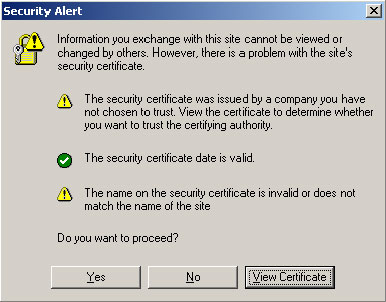
The Security Alert dialog box appears.
The ILOM login screen appears.
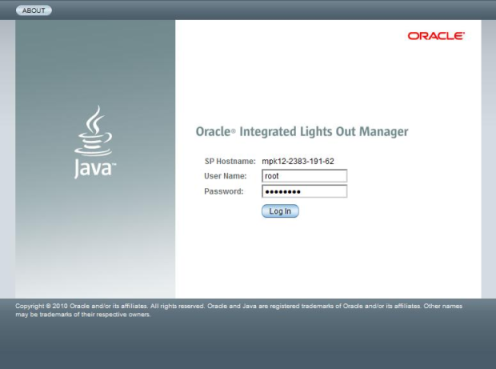
The default user name is root, and default password is changeme.
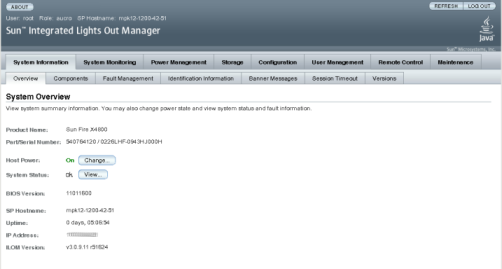
The ILOM System Overview screen appears.
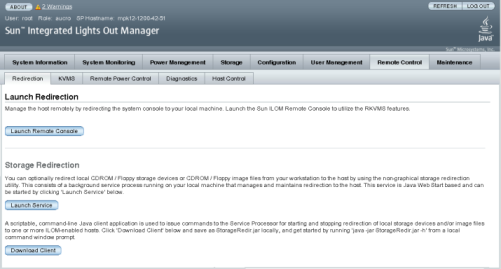
The Launch Redirection screen appears.
Note - Make sure that the mouse mode is set to Absolute mode in the Mouse Mode Settings tab.
Note - If the dialog box regarding verifying the web site's certificate appears, click the Yes button if you choose to continue.

Note - When you are using a Windows system for JavaRConsole System redirection, an additional warning might appear. If the Hostname Mismatch dialog box appears, click the Yes button.
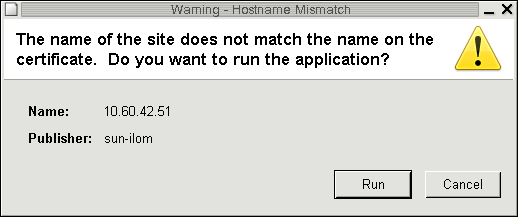
The default user name is root and password is changeme.
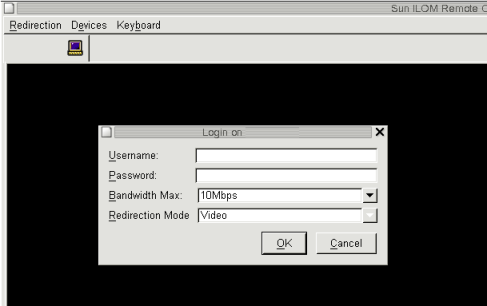
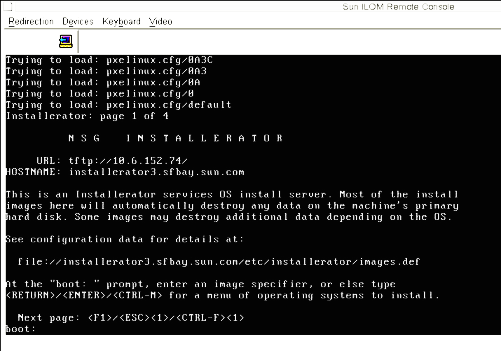
After the login is successful, the JavaRConsole screen appears:
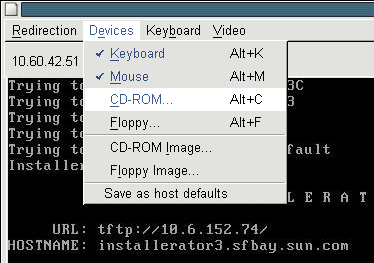
CD-ROM Remote. Select CD-ROM to redirect the server to the operating system software CD/DVD contents from the CD/DVD-ROM drive attached to the JavaRConsole system.
CD-ROM Image. Select CD-ROM Image to redirect the server to the operating system software .iso image file located on the JavaRConsole system.
 | Caution - Using the CD-ROM or CD-ROM Image option to install the Windows Server significantly increases the time necessary to perform the installation as the content of the CD-ROM is accessed over the network. The installation duration depends on the network connectivity and traffic. This installation method also has a greater risk of issues due to transient network errors. |
Next Steps


|