Why the Core Application Uses Element Name Number (PIN) Processing
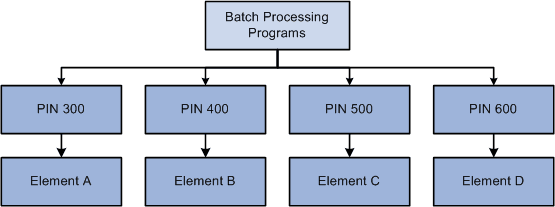
An element name number (PIN) is a numeric identifier for an element. Every element in Absence Management has a unique element name number, including the elements that you create and the elements the PeopleSoft system delivers. Absence Management programs access and process an element by referring to its element name number, rather than its name.
A PIN is referred to as an element in Absence Management. A PIN and an element are identical, and a PIN number is the same as an element number. We explain the term PIN here because it is referenced throughout the programs and table structure of the application. Think of PIN as the technical name that is used in the programming and table structure and element as the functional name that is used on all pages and discussions.
This is necessary because Absence Management is designed for use by any organization in any country. Each organization will likely give the elements that form the basis for its absence management system different names, depending on its requirements. And organizations in different countries are going to name their elements using different languages. Also, the system elements delivered by PeopleSoft are often translated into many languages. If the name were the only way to identify an element, there could be problems.
PIN numbers also improve performance within batch processes. It is more efficient for the system to use numeric values than to use character values. This performance improvement is a result of being able to easily read the numeric values into the processing arrays and create a pointer to the correct place in the array.
PINs are numbered sequentially.
Note:
The system assigns a PIN number to each element that you create. The first number the system assigns is 100,001. PIN numbers prior to 100,001 are reserved for the elements that are delivered with Absence Management.
This graphic shows how elements are accessed by PIN number rather than by element name.