FISCAL_X_OF_Y
Syntax
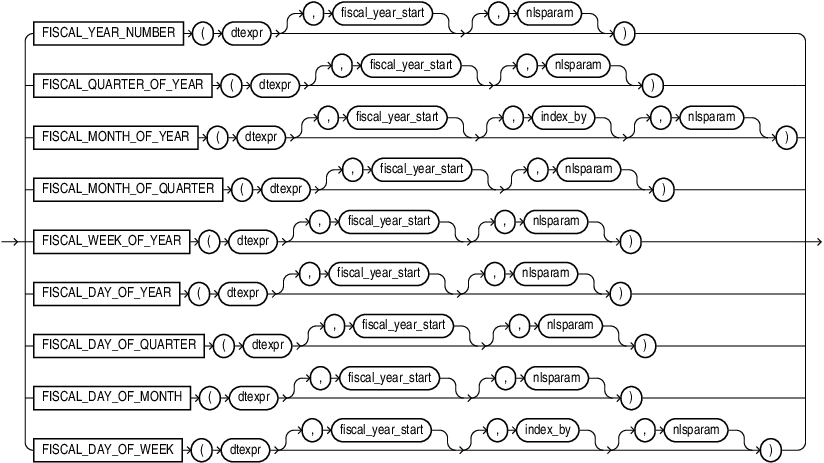
Description of the illustration fiscal_x_of_y_fn.gif
-
dtexpr is a datetime expression with one of the following types (or any value that can be implicitly converted to
DATE):DATE,TIMESTAMP,TIMESTAMP WITH TIME ZONE,TIMESTAMP WITH LOCAL TIME ZONE. -
fmt is a text expression representing a format string. In all cases, the case-sensitivity of the format specifiers follows the same behavior as
TO_CHAR. For example,MONspecifies an abbreviated month in upper-case (e.g.JAN),monspecifies an abbreviated month name in lower-case (e.g.jan), andMonspecifies an abbreviated month name in title-case (e.g.Jan). -
nlsparam is a text expression representing an NLS parameter setting. The only currently supported parameter is
NLS_DATE_LANGUAGE, and is specified in the same manner as forTO_CHARandTO_DATE. -
All fiscal functions take an optional fiscal_year_start parameter defining the month and day of the start of the fiscal year.
If the fiscal_year_start parameter is specified, it’s an expression of type
DATE,TIMESTAMP,TIMESTAMP WITH TIME ZONE, orTIMESTAMP WITH LOCAL TIME ZONErepresenting the first day in the fiscal year. All components other than the month and day are ignored.If the fiscal_year_start function argument is not specified, the value of the
CALENDAR_FISCAL_YEAR_STARTsystem/session parameter is used (which itself defaults to January 1 if not specified). TheCALENDAR_FISCAL_YEAR_STARTsystem/session parameter is a text value that will be converted to aDATEusing theNLS_DATE_FORMAT. An optional second parameter value may be specified to use an explicit format, such as:
ALTER SESSION SET CALENDAR_FISCAL_YEAR_START = '01-JUN-2025', 'DD-MON-YYYY'-
The index_by parameter is a text value that must resolve to either
POSITIONorDATE(case-insensitive, defaults toDATE). It is used to distinguish between absolute and position-based numbers for the following cases:-
CALENDAR_DAY_OF_WEEK -
FISCAL_DAY_OF_WEEK -
RETAIL_DAY_OF_WEEK -
FISCAL_MONTH_OF_YEAR -
RETAIL_MONTH_OF_YEAR
-