Connecting to a Host in a Private Network Through the Bastion Host
This section shows you how to connect from a Microsoft Windows machine to a Linux host and Microsoft Windows host that have been deployed by JD Edwards EnterpriseOne Infrastructure Provisioning in Oracle Cloud Infrastructure. Such hosts are deployed in a private network and can only be accessed through the Bastion host as described in this section.
Prerequisite
- You must have installed PuTTY on your Microsoft Windows machine. By default, this installation includes the requisite software component called Pageant (Putty Authentication Agent). The program provides a Secure Shell (SSH) tunneling method for connecting to Unix or Linux machines through PuTTY.
Connecting to a Linux Host in a Private Network Through the Bastion Host
This procedure describes how to connect from a Microsoft Windows machine to a Linux host in a private network in Oracle Cloud Infrastructure through the Bastion host that has been deployed using JD Edwards EnterpriseOne infrastructure provisioning.
- On your Microsoft Windows machine, search for the Pageant application
(pageant.exe). Note: As mentioned in the "prerequisite" above, this program is a standard component of PuTTY for Microsoft Windows.
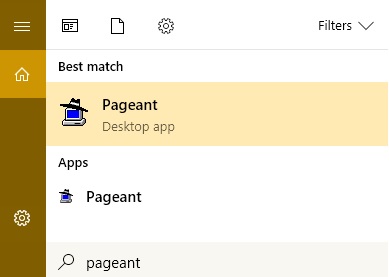
- Start the Pageant application to access the Pageant Key List window.
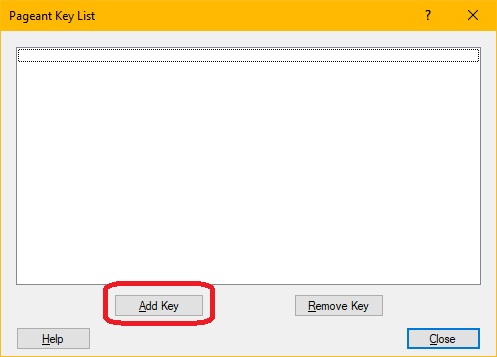
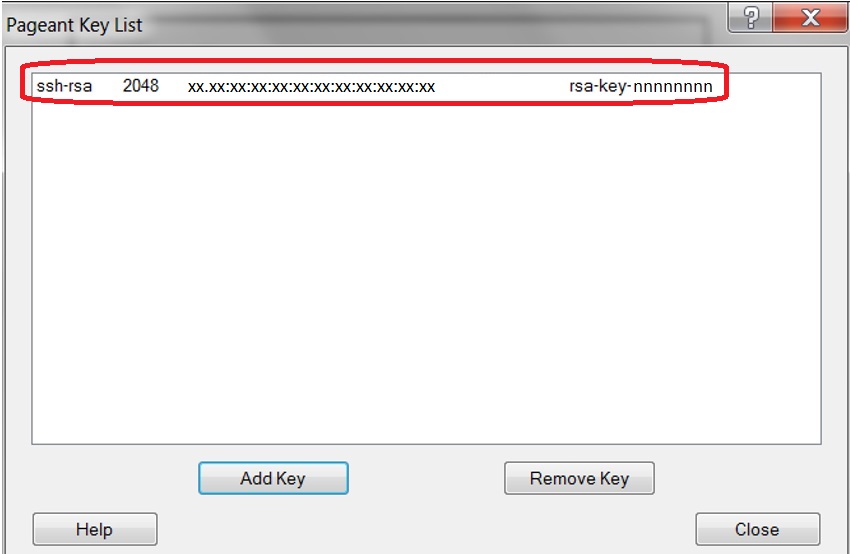
- Click Add Key and browse to the private key you copied and converted to
ppk format in your local workstation as described in the preceding task
"Converting Your Private SSH Keys to .ppk Format" of this Learning Path. For
example: OCI_Instance.ppk.
- Open PuTTY and in the Host Name field, enter the public IP address of the
Bastion server (also includes the NAT server and Server Manager Console).
Note: As a best practice, you can save this PuTTY session for future use when logging in to machines in the private network known to this Bastion host.
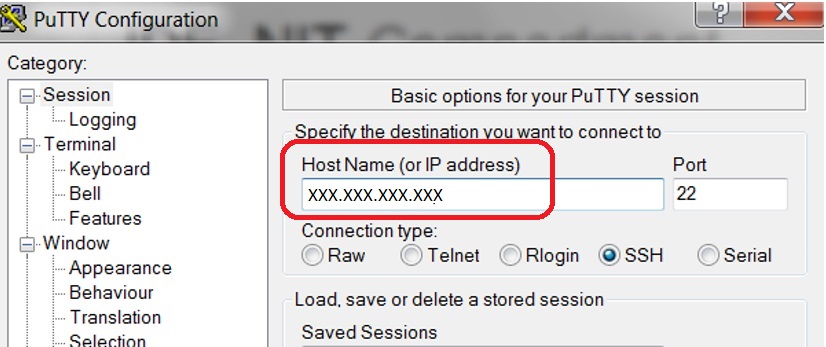
- From the Connection type options, select SSH, and then click Auth.
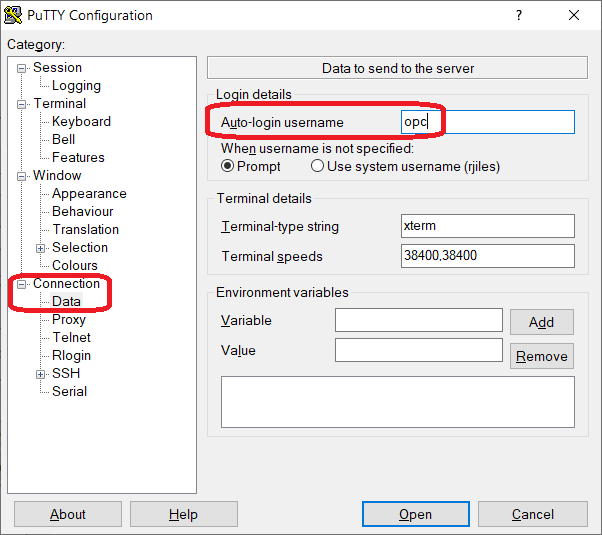
- To log in to the connection, you need to log in as the opc user. Expand
the Connection node and in the Data section, enter the value
opc in the Auto-login username field.
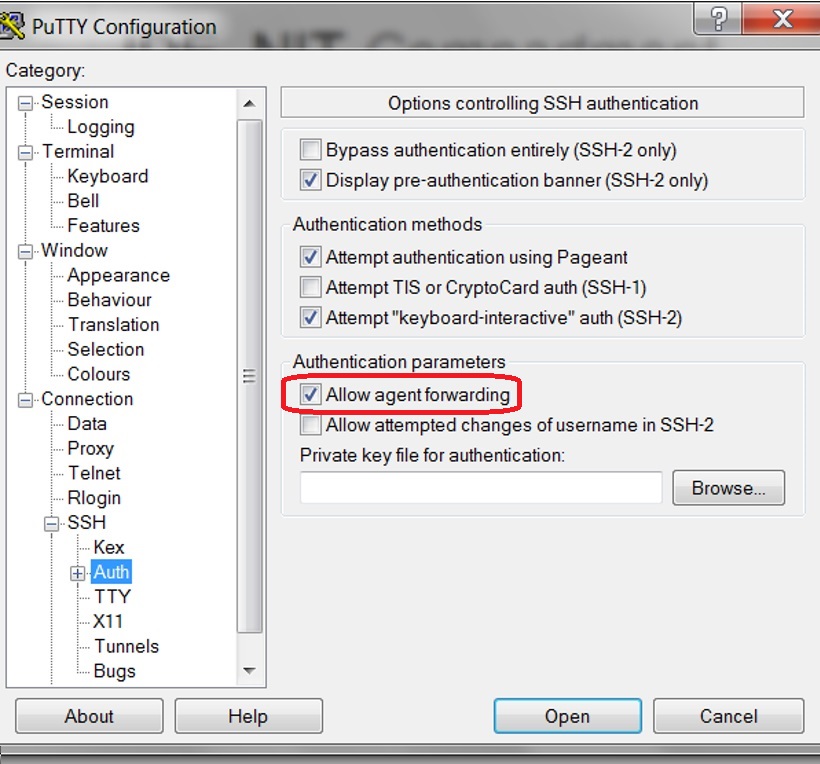
- In the Options controlling SSH authentication section, in the Authentication
parameters subsection, ensure that the Allow agent forwarding
option is selected.
- Under Private key file for authentication, click the Browse button to
select the
Bastion.ppkkey that you converted to ppk format in your local workstation as described in the preceding task "Converting Your Private SSH Keys to .ppk Format" of this Learning Path.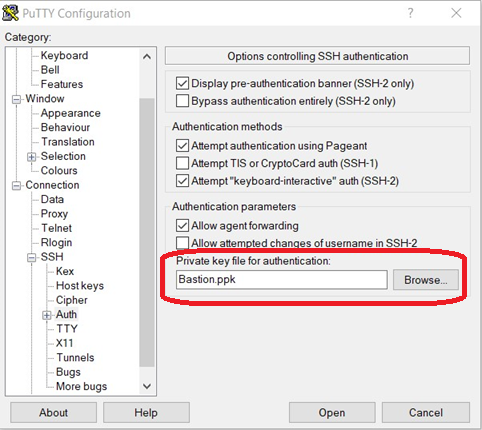
- Go back to Session, click the Save button.
- Click the Open button to open a console on the Bastion Server.

- As this point you can use the below command to access the required JD Edwards
EnterpriseOne Server using its private IP address.
ssh
                            opc@<private_ip_of_any_instance>
For example:
ssh opc@10.0.0.0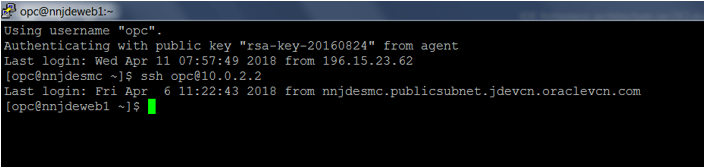
Connecting to a Windows Host in a Private Network Through the Bastion Host
This procedure describes how to connect from a Microsoft Windows machine to a Windows host in a private network in Oracle Cloud Infrastructure through the Bastion host that has been deployed using JD Edwards EnterpriseOne infrastructure provisioning.
- On your Microsoft Windows machine, search for the Pageant application
(pageant.exe). Note: As mentioned in the section "prerequisite" above this program is a standard component of PuTTY for Microsoft Windows.
- Start the pageant application to access the Pageant Key List window.
- Click Add Key and browse to the private key you converted to ppk format
in your local workstation as described in the preceding task "Converting Your
Private SSH Keys to .ppk Format" of this Learning Path. For example:
OCI_Instance.ppk. - Open PuTTY and in the Host Name field, enter the public IP address of the
Bastion server (also includes the NAT server and Server Manager Console).
Note: As a best practice, you can save this PuTTY session for future use when logging in to machines in the private network known to this Bastion Host.
- To create an SSH tunnel to the local host, in the Connection node, click SSH, and then click Tunnels.
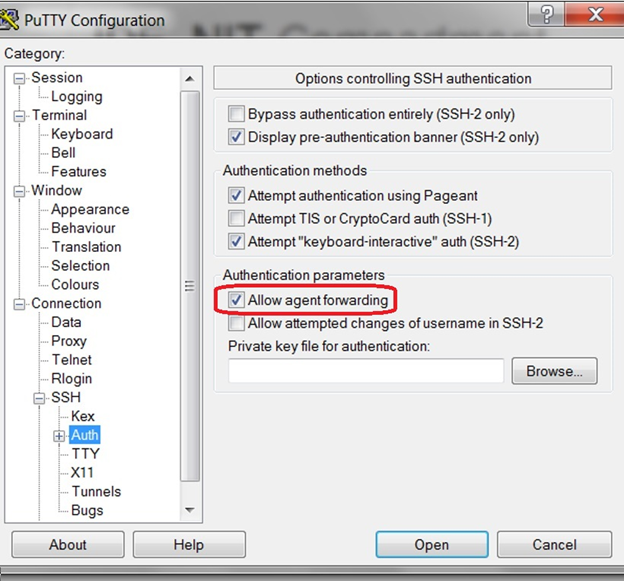
- In the Options controlling SSH authentication section, in the Authentication
parameters subsection, ensure that the Allow agent forwarding option is
selected.
- Under Private key file for authentication, click the Browse button to
select the Bastion.ppk key that you converted to ppk format in your local
workstation as described in the preceding task "Converting Your Private SSH Keys
to .ppk Format" of this Learning Path.
- To create an SSH tunnel to the local host, in the Category section, expand the Connection node, expand the SSH node, and click Tunnels.
- In the Options controlling SSH port forwarding section, enter the port number in the Source Port field. You can choose any port that is free on your local machine. For example, 33389.
- In the Destination field, enter the private IP address of the server you want to connect to and port 3389.
- Click the Add button to add the port.
- After you click the Add button, confirm that the IP address and the port
are added as shown below.
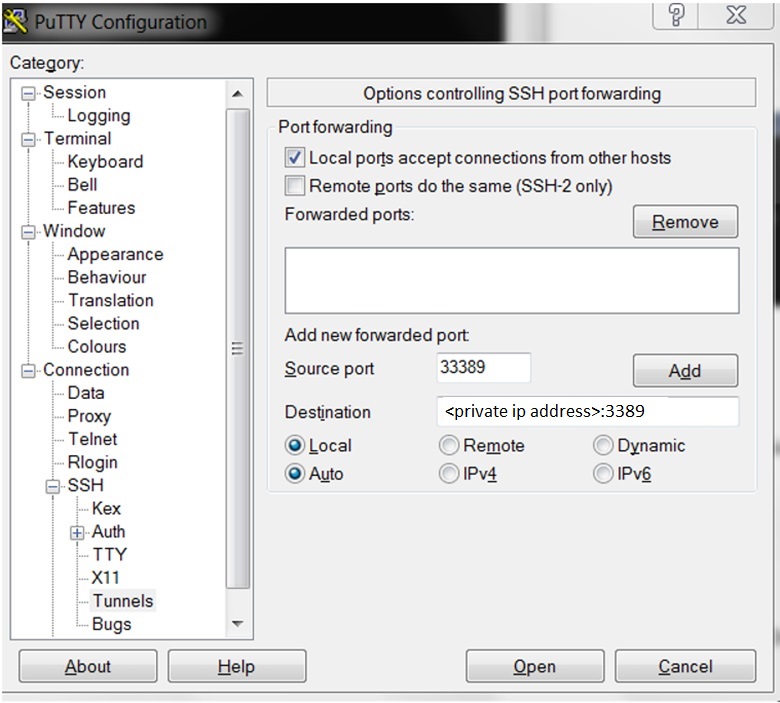
- Ensure that these options are selected:
- Local ports accept connections from other hosts
- Local
- Auto
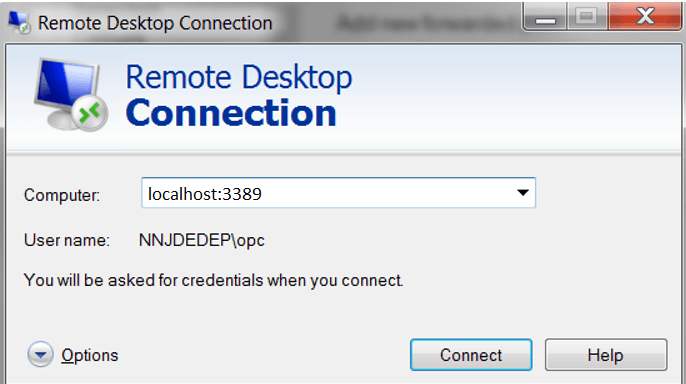
Note: Before you proceed, as a best practice you should save this PuTTY session for future use when logging in to machines in the private network known to this Bastion host. - Launch Remote Desktop Connection and connect to localhost: 3389. Note: You will lose access to this local host if the PuTTY session becomes inactive.