Start Initiative S
In the fictional MUD project, Sally Andre starts off Initiative S from an empty Oracle BI repository.
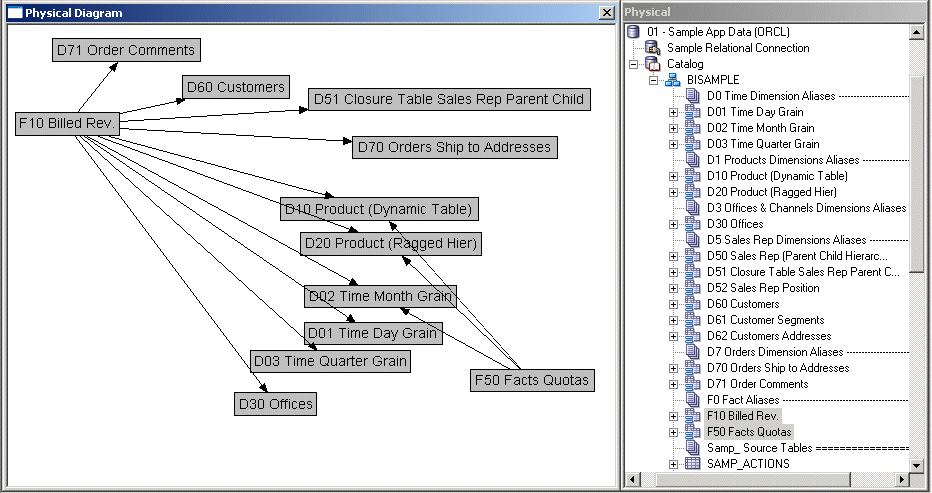
Because it's easier to divide the repository into MUD projects if you define some logical stars and subject areas first, she begins by developing the physical model needed for Phase I. She makes sure the physical model includes meaningful name aliases for the physical tables and joins. She includes connection pool details for her own local test data sources.
The image shows the physical model for Initiative S.
Sally drags the Physical layer to the Business Model and Mapping layer to create some starter content. She removes unneeded tables, and ensures that the star joins are correct. She also ensures that all the physical tables that are needed during development have mappings from the starter logical tables, so that they're included in the projects when they're checked out. For Sally, these steps create two logical fact tables, F10 Revenue and F50 Quotas, that can act as the basis for the projects.
Sally also needs to have some subject areas to map to the projects in the business model. She could drag the entire business model, but a convenient way to accomplish this is to instead right-click the business model and select Create Subject Areas for Logical Stars and Snowflakes. This feature creates a subject area from each logical fact table.
Sally doesn't need to be concerned about the contents of the subject areas yet. All that matters is that each subject area maps to the logical fact table for the same project. However, she does name the subject areas based on the plan agreed to in the governance meeting: Sales Quota and Sales Revenue.
Sally now has enough content for the MUD administrator to create the first two projects based on the Revenue and Quota fact tables. To review, Sally has made sure that she meets the following criteria at a minimum:
- At least one logical fact table according to the governance plan, to anchor the projects. The columns of the logical fact tables need not be complete or even properly named, but they do need to be complete enough to map all the physical content.
- Enough logical dimensions so that the repository passes the consistency check.
- Physical content that maps to one or more logical fact tables, so they're included in projects.
- The subject areas needed according to the governance plan.